Showing posts with label doubt. Show all posts

Sunday, February 14, 2010

The Conversion of Paul/ Acts 9

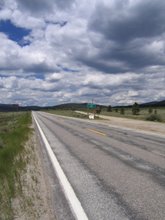
This week in the Christian calendar was the feast of the Conversion of Paul/Saul. The story of Paul should spark a bit of fear in all of us, but also hope. It shows how easy it is for us to have things backwards, despite our best intentions—but it also the possibility of dramatic change, the possibility of redemption.

Saul was, to all outward appearances, a good religious man, concerned with upholding tradition and stopping the blasphemous Christian sect from leading people astray. He persecuted the early Christian movement, acting— he thought – on the side of justice…. until he had the original "Road to Damascus" experience: God speaks to Paul, asks: "Paul, why are you persecuting me?"

Paul was knocked off his horse, was struck blind, and then he waited for three days with his thoughts.

Paul's conversion required the Christian movement to stretch as well. Paul was not the only one who was shocked, because God tells Ananias, a follower of Jesus, to go visit Paul: it's almost as if George Bush were told to go unarmed and visit a repentant Osama Bin Laden. But Ananias does go, and Paul becomes a great leader of the church.

Reading this story of Paul on the Way to Damascus reminds me that we need all need humility: no matter how sure we are that we are right, we might be wrong, and so humility demands that we speak and listen to each other, that we grow.

Humility is relatively uncontroversial. But the story also reminds me that we need to question, to actively question our assumptions. Paul persecuted the church because the bundle of assumptions he had about goodness and right living seemed incompatible with this movement. And so, as pray together, I wonder what assumptions I might be holding that are hurting others, that someday God might call me to drop.

Monday, May 25, 2009

Faith and Doubt, April 22, 2009

Sacred Text: Excerpts from John 20

It’s been a week and a half since Easter, and the urgency, the activity, the fear of Holy Week—in which Jesus was captured and executed—this activity is passed. The surprise of Easter has also passed—the discovery of the empty tomb, the wonderment, the rejoicing… That too is now passed, and we are left wondering what do we do after Easter?

The story of Thomas provides a realistic model of how we might continue in faith in a world full of doubt. It may seem a bit odd to think of Thomas as a model—growing p, calling someone a “doubting Thomas” was a way of dismissing them as overly skeptical. It comes from this story—Thomas wasn’t with the group when Jesus originally appeared, and claims “Unless I see the mark of the nails in his hands…. I will not believe”.
Maybe Thomas is the realist—I certainly see myself in his character. Thomas knew Jesus was taken, and killed. He had been dead for three days. Peter and some of the disciples saw the empty tomb, but what a tragedy: they didn’t understand, says the gospel of John; someone had taken Jesus body. There’s the story of Mary, but this is only second hand. What is Thomas to believe: Jesus is dead, not alive.

Thomas wasn’t with the other disciples that first evening. The others were gathered, doors locked for fear of their persecutors. Jesus appeared to them then. But Thomas wasn’t there when Jesus came. The story doesn’t tell us why—was it too painful to be gathered together in the memory of their dead teacher? Perhaps Thomas had drawn away to be alone, to think, or to pray. Or perhaps, even, to despair.

Thomas wants proof that such a miraculous event could actually happen. Thomas does not want to succumb to wishful thinking. He rejoins the disciples. And after what must have been a long week, Jesus came among them again and Thomas answers with joy “My Lord and my God!”

We often draw on second-hand stories, stories from the Bible that teach us about God, stories from each other, when we’ve seen God in our own lives. But sometimes, we need more—and we rightly cry out to God “I want to see you in the flesh!” We may not be given an apparition of Jesus saying “Behold”—but I do think that if we look hard enough we can see God in our lives.

I said before that Thomas might provide a realistic model of faith. If he makes the most famous statement of doubt in the Bible, he also makes what I think is one of the most powerful statements of faith. A few chapters earlier in John, Jesus is going to back to Judea because Lazarus has died. “But haven’t they just tried to stone you there?” the disciples ask. But Thomas says, “Let us also go, that we may die with him”.

Thomas rightly recognized that following Jesus was a dangerous enterprise. But he believed in Jesus’ message, he loved his teacher so that he would follow him, even unto death. Again this was no wishful thinking faith—that everything would be fine.

This was true faith, true trust in following God even unto the valley of the shadow of death.

And so may we live in faith like Thomas, in a world in which we are so not sure that everything will work out right, in a world in which we have to keep going, even if we don’t have the benefit of a tangible presence of God. Let us seek God, and walk confidently with God even into the darkness.